Happy Father’s Day to all fathers around the world! May your love, guidance, and nurturing spirit continue to inspire future generations. Thank you for being the quiet strength behind so many lives and for helping your children grow into the best versions of themselves. But what exactly does it mean to have a nurturing spirit? The word nurturing is often associated with care, encouragement, and personal growth. A nurturing person not only provides support but also helps others develop confidence, resilience, and a sense of belonging. Whether in families, schools, or communities, nurturing individuals create environments in which people can flourish. Understanding the history of this word can therefore offer valuable insights into one of the most important qualities that fathers (and many other influential figures) bring into our lives.
And here is our well-know question: Have you ever met someone with a “nurturing” spirit, someone who makes you feel safe, supported, and encouraged to grow? What does it mean to be “nurturing“, and where does this word come from? The adjective “nurturing” comes from the verb nurture, which has its roots in the Latin word “nutrire“, meaning to feed or to “nourish“. Over time, it evolved through Old French (norture) and Middle English, expanding to include emotional and intellectual care as well.
In Turkish, “nurturing” is often translated as “şefkatli”, “besleyici“, or “destekleyici”, depending on the context. For example, in English one might say, He has a nurturing personality that comforts everyone around him. In Turkish, this “could be expressed as”: “(Onun) şefkatli kişiliği, etrafındaki herkesi rahatlatıyor.” Or consider, A nurturing environment helps children thrive, which in Turkish becomes: “Destekleyici bir ortam, çocukların gelişmesine yardımcı olur.” The word holds both warmth and strength, a quiet power rooted in care.
Here are some quotes in English.
- “Nurturing yourself is not selfish—it’s essential to your survival and your well-being.”
by Renée Peterson Trudeau - “True leadership is nurturing, not dominating.”
by Robin Sharma - “Love is not just about passion; it’s about nurturing, patience, and presence.”
by Brendon Burchard - “Children don’t need perfect parents. They need nurturing ones who show up.”
by L.R. Knost - “Healing begins in a nurturing space, where kindness outweighs judgment.”
by Anonymous
And here are some examples from Turkish literature.
- Orhan Kemal – Bereketli Topraklar Üzerinde:
“Şefkatli bir kadın sesiyle uyanmak insanın içini ısıtır.”
→ Waking up to a nurturing woman’s voice warms the heart. - Yaşar Kemal – İnce Memed:
“Anası kadar şefkatli birini görmemişti köyde kimse.”
→ No one in the village had seen anyone as nurturing as his mother. - Elif Şafak – Aşk:
“Şems’in sözlerinde hem şefkatli bir kucaklama hem de derin bir öğretmen edası vardı.”
→ There was both a nurturing embrace and a deep, guiding tone in Shams’s words. - Nazım Hikmet (Poetry):
“Ve şefkatli ellerinle okşa yüreğimi.”
→ And with your nurturing hands, soothe my heart. - Halide Edib Adıvar – Ateşten Gömlek:
“Şefkatli bakışları, Zeynep’i bir an için bile olsa unutturmuştu kederini.”
→ Her nurturing gaze made Zeynep forget her sorrow, even for a moment.
The Nurturing Spirit of Fatherhood
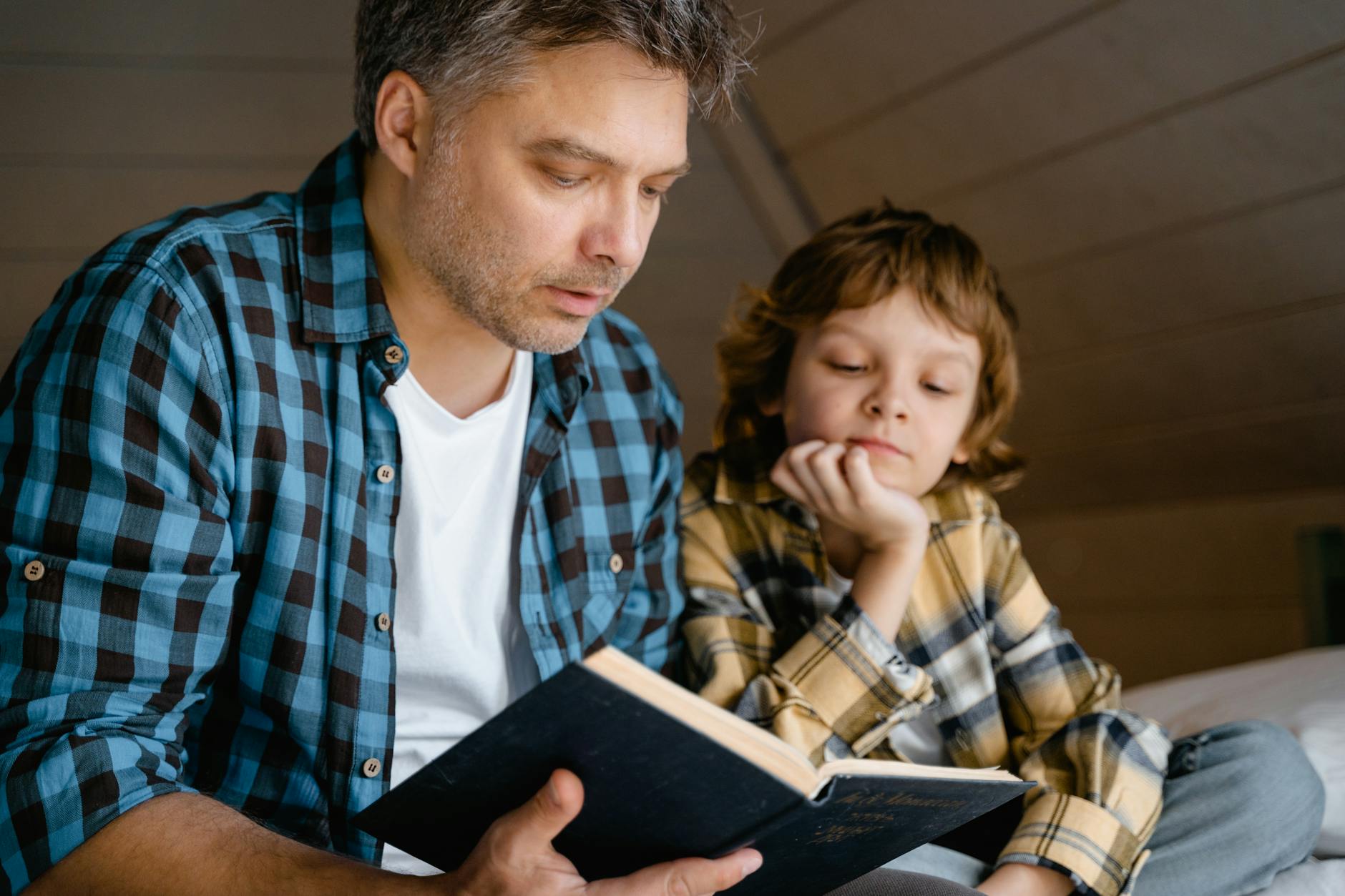
Perhaps one of the most meaningful examples of a nurturing spirit is a good father. A real father is not simply someone who provides food, shelter, or financial support. He is someone who nourishes the minds, hearts, and dreams of his children. He listens when they need to be heard, guides them when they feel lost, and encourages them when they doubt themselves. His presence offers security, while his wisdom helps them navigate life’s challenges.
A nurturing father teaches important values such as honesty, responsibility, kindness, and respect. More importantly, he teaches these values through his actions. Children often remember what their fathers do far more than what they say. Through patience, sacrifice, and unconditional love, a father becomes one of the most influential figures in a child’s life.
The idea of fatherhood is reflected in many words across different languages. The Turkish word baba is believed to have originated from simple baby sounds such as ba-ba, a pattern found in many languages around the world. The Turkish word ata means “ancestor” or “forefather” and comes from ancient Turkic roots, emphasizing heritage and continuity. The word papa, used for the head of the Catholic Church, comes from the Latin papa, meaning “father” or “spiritual father.”
In English, father derives from the Old English fæder, which can be traced back to the ancient Proto-Indo-European root pəter. This same root gave rise to related words in many languages, including Latin pater, Greek patēr, and Sanskrit pitā. The more informal dad likely emerged from child-language sounds such as da-da, while daddy developed as an affectionate form expressing closeness, love, and trust.
Whether we call him father, dad, daddy, baba, ata, or papa, the central idea remains remarkably similar across cultures and languages: a person who protects, guides, supports, and nurtures. The history of these words reminds us that fatherhood is not merely a biological relationship but also a deeply human bond built on care and commitment.
Dünyadaki tüm babaların Babalar Günü kutlu olsun! Sevginizin, rehberliğinizin ve destekleyici (nurturing) ruhunuzun gelecek nesillere ilham vermeye devam etmesini diliyoruz. Sayısız hayatın arkasındaki sessiz güç olduğunuz ve çocuklarınızın kendilerinin en iyi hâline ulaşmalarına yardımcı olduğunuz için teşekkür ederiz. ❤️
VoKaPedia
Note. VoKaPedia also has a dedicated podcast section where you can find a variety of engaging episodes. I’d definitely recommend exploring it—you might discover something new and inspiring to listen to. Go to VoKaPedia Podcasts now.