vedkipedia

vedkipedia

Phrasal Verbs of the Day: Keep Up or Keep Out

Woman shaking hands with man holding leadership award plaque

Would you rather “keep up” with the crowd or “keep out” of trouble? The phrasal verbs keep up and keep out both derive from the Old English verb keep, meaning “to hold, guard, preserve, or maintain.” Over time, English combined…

Phrasal Verbs of the Day: Carry On or Carry Out?

Person hiking on rocky mountain trail during sunrise with distant snow-capped peaks

What do you do when life gets difficult: carry on or carry out? The phrasal verbs “carry on” and “carry out” both originate from the Old French verb “carier” (“to transport”), which entered English as “carry“, meaning “to move or…

Words of the Weekend: Sheer or Shear?

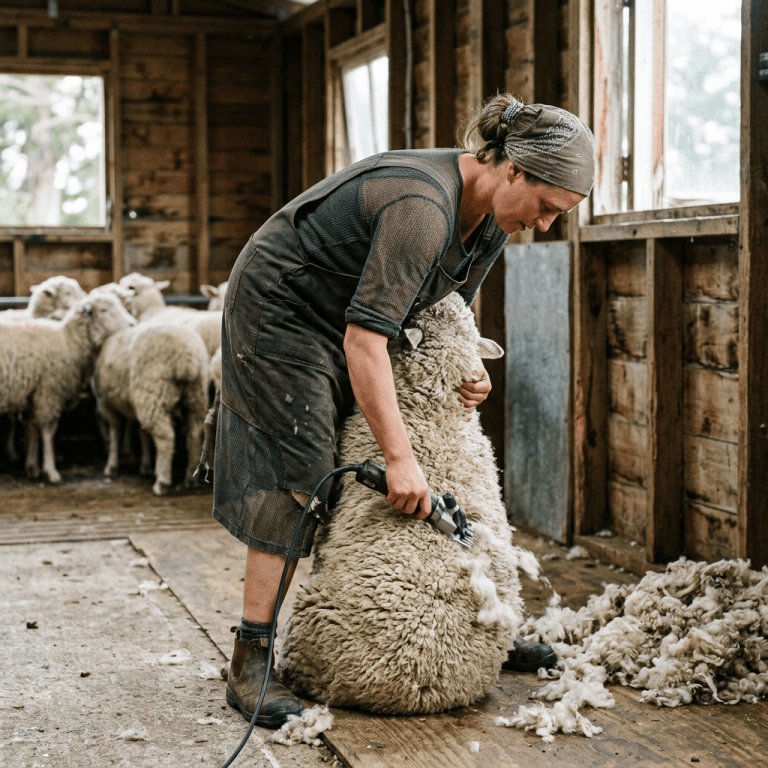
Woman in sheer dress shearing sheep

Can one tiny extra letter completely change the meaning of a word? Simply, yes! Although “shear” and “sheer” are pronounced the same, they have distinct origins and meanings. “Shear” comes from the Old English verb sceran, meaning “to cut” or…

The Words of the Day: Stationery & Stationary

Free study table stationery clock

Have you ever hesitated before writing “stationary” or “stationery“, wondering which spelling is correct? Although they “sound” exactly alike, “stationary” and “stationery” have completely different meanings. Both ultimately derive from the Latin word stāre, meaning “to stand.” Stationary entered English…

The Words of the Day: Further & Farther

Person sitting on bench beneath large tree with luggage at sunset

Have you ever wondered whether you should say “farther” or “further“, and whether native speakers really notice the difference? The words farther and further both developed from the Old English word furðor, meaning more forward or at a greater distance.…

Homophones of the Week: Rain, Rein & Reign

Person speaking into microphone while holding horse reins, addressing a crowd with umbrellas on rainy cobblestone street

Rain, Rein, or Reign? How Can Three Identical Sounds Mean Completely Different Things? Although rain, rein, and reign are pronounced exactly the same (/reɪn/), they have entirely different origins and meanings. Rain comes from Old English regn, referring to water…

Another Weird Pair: Great Ape vs Gray Tape

Bonobo sitting on a tree branch holding a roll of tape in the forest

Have you ever wondered how “great ape” and “gray tape” can sound almost identical in rapid speech? This pair is a classic example of an oronym: two different expressions that share nearly the same pronunciation but have completely different meanings.…

Bizzare But True: Keeps Ticking vs Keep Sticking

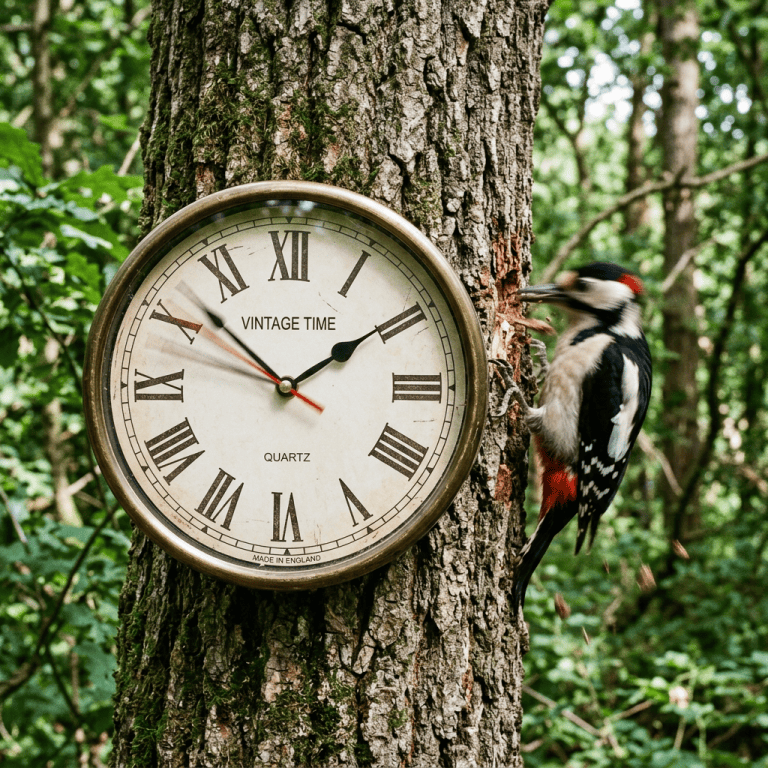
Vintage analog clock with Roman numerals on a tree with a woodpecker pecking next to it

Have you ever been surprised that “keep sticking” and “keeps ticking” can sound almost identical in rapid speech? Probably not, as this pair rarely comes together in discourse. But in fact, this pair is an excellent example of an oronym:…

Every Day or Everyday?

Winding dirt path through grassy hills with sunrise and mist in the background

Have you ever wondered whether to write “every day” as two words or “everyday” as one? This is one of the most common spelling confusions in English because the pronunciation is almost identical, but the meanings and grammatical functions are…

The Words of the Day: Wear, Weary, Wary

Man trying on large coat with store sale signs on racks

Have you ever confused wary, weary, and wear because they look and sound so similar? Wary, weary, and wear may look and sound similar, but they have very different meanings, making them a common source of confusion for English learners.…

The Words of the Day: Elicit or Illicit

Elementary students raising hands during a geography lesson about Canada with teacher

Have you ever read “illicit“ when the writer actually meant “elicit“? These two words are among the most commonly confused pairs in English because they look and sound similar, yet they have completely different meanings. Although they are not homophones…

Phrasal Verbs of the Day: Break Free vs Break Up

Person standing on coastal mountain ridge with arms raised under a blue sky with clouds

Have you ever wondered why the verb “break” can combine with different particles to create completely different meanings? The phrasal verbs “break free” and “break up” both originate from the Old English verb brecan, meaning to break, shatter, or separate.…